Smart size finder
Find the right skip bin size
Answer a few quick questions and get a practical skip bin hire recommendation before you book.
Full catalogue
Skip bin sizes and specifications
Compare the live product catalogue below. Final availability, exact dimensions, accepted waste, and load rules depend on the supplier serving your address.
Skip bin size choice in New Zealand depends on the kind of waste, access, placement, local council rules and whether the load includes heavy building material.
Use the live catalogue below to compare capacity, footprint and dimensions before checking local availability.
Heavy materials such as soil, concrete, bricks, rubble, hardcore, and dense construction waste may need a smaller container even when space is available.
 Skip
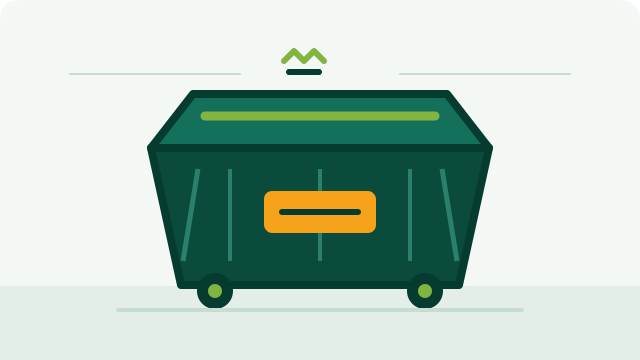
The 2 cubic metre mini skip bin is suited to small rubbish removal jobs, garden clean-ups, and light household or renovation waste where space is limited.
Capacity
2.0 m³
2.62 yd³
Approx. 8 x 240 L wheelie-bin volumes
Typical dimensions
2.27 m L x 1.39 m W x 1.00 m H
7.4 ft L x 4.5 ft W x 3.3 ft H
View size details
Skip
The 3 cubic metre mini skip bin is suited to small rubbish removal jobs, garden clean-ups, green waste, or light household clear-outs where space on site is limited.
Capacity
3.0 m³
3.92 yd³
Approx. 13 x 240 L wheelie-bin volumes
Typical dimensions
2.70 m L x 1.50 m W x 1.10 m H
8.9 ft L x 4.9 ft W x 3.6 ft H
View size details
Skip
A 4.5 cubic metre gantry bin is suited to small renovations, garage clean-outs, green waste and general rubbish removal where access or space is limited.
Capacity
4.5 m³
5.89 yd³
Approx. 19 x 240 L wheelie-bin volumes
Typical dimensions
3.00 m L x 1.60 m W x 1.20 m H
9.8 ft L x 5.2 ft W x 3.9 ft H
View size details
Skip
A 6 cubic metre gantry bin is suited to medium rubbish removal jobs, including home renovations, garden clean-ups, green waste, and light commercial waste.
Capacity
6.0 m³
7.85 yd³
Approx. 25 x 240 L wheelie-bin volumes
Typical dimensions
3.60 m L x 1.60 m W x 1.30 m H
11.8 ft L x 5.2 ft W x 4.3 ft H
View size details
Skip
A 9 cubic metre gantry bin suits larger rubbish removal jobs, light construction waste, commercial waste, green waste, or bulky clean-ups where extra bin capacity is needed.
Capacity
9.0 m³
11.77 yd³
Approx. 38 x 240 L wheelie-bin volumes
Typical dimensions
4.20 m L x 1.80 m W x 1.50 m H
13.8 ft L x 5.9 ft W x 4.9 ft H
View size details
Skip
A 12 cubic metre hook bin is suited to large household clean-ups, renovations, shop fit-outs, and bulky commercial waste where there is enough space for delivery and collection.
Capacity
12.0 m³
15.70 yd³
Approx. 50 x 240 L wheelie-bin volumes
Typical dimensions
4.80 m L x 1.80 m W x 1.80 m H
15.7 ft L x 5.9 ft W x 5.9 ft H
View size details
Skip
A 15 cubic metre hook bin suits large clean-ups, renovations, commercial waste, green waste or cleanfill where a higher-volume skip bin is needed.
Capacity
15.0 m³
19.62 yd³
Approx. 63 x 240 L wheelie-bin volumes
Typical dimensions
6.00 m L x 2.40 m W x 1.50 m H
19.7 ft L x 7.9 ft W x 4.9 ft H
View size details
Skip
A 20 cubic metre hook bin is suited to large rubbish removal, construction debris, commercial waste, bulky items, green waste or cleanfill where site access allows.
Capacity
20.0 m³
26.16 yd³
Approx. 83 x 240 L wheelie-bin volumes
Typical dimensions
6.00 m L x 2.40 m W x 2.00 m H
19.7 ft L x 7.9 ft W x 6.6 ft H
View size details
Skip
A 30 cubic metre hook bin is suited to major rubbish removal, commercial waste, green waste, and bulky clean-up projects where a large skip bin hire option is needed.
Capacity
30.0 m³
39.24 yd³
Approx. 125 x 240 L wheelie-bin volumes
Typical dimensions
6.50 m L x 2.40 m W x 2.40 m H
21.3 ft L x 7.9 ft W x 7.9 ft H
View size details
Before you choose
Before choosing a skip bin
Cleanfill and heavy waste need checks
Concrete, soil and brick may require a cleanfill or heavy-waste bin with specific load restrictions. Timber, GIB and mixed renovation debris may require a different waste category, depending on the supplier.
Placement rules vary
Road reserve, berm, verge and public placement rules can vary locally. Private property placement is usually simpler if access is clear.
Green waste is often separate
Garden waste and green waste may be handled differently from mixed rubbish or building waste, so choose the bin around the material type.
FAQs
Skip bin size FAQs
Common questions before choosing a skip bin in New Zealand.
What skip bin size do I need?
Start with the waste type and rough volume, then check access, placement and whether the load contains heavy building material. Small clean-ups may suit a mini bin, while renovations and larger clear-outs can need a gantry or hook bin.
What are common skip bin sizes in New Zealand?
Common options include 2 and 3 m³ mini bins, mid-sized gantry bins and larger hook bins for higher-volume work. The exact size range and container design vary by supplier and address.
What is the difference between mini, gantry and hook bins?
Mini bins suit smaller clean-ups and tighter placement areas. Gantry bins cover many household, garden and renovation jobs, while larger hook bins are generally used for higher-volume commercial, construction or major clearance work.
Are skip bin dimensions the same between suppliers?
No. Bins with the same cubic-metre capacity can have different lengths, widths and heights. Treat these as typical dimensions and confirm the actual footprint available locally before planning placement.
Can cleanfill go in any skip bin?
Not always. Cleanfill, concrete, soil and brick may need a dedicated option or smaller bin because of weight and disposal rules.
Can timber, GIB and mixed renovation waste go in a cleanfill bin?
Usually not as a single cleanfill load. Timber, GIB and mixed renovation debris can fall into different waste categories, so check the supplier's accepted-waste rules before booking.
Can a skip bin go on the berm or road?
That depends on local rules. Some public placements need approval, so check before booking.
Should green waste be kept separate from general rubbish?
Often yes. A dedicated green-waste bin may have different accepted materials and pricing from mixed rubbish. Soil, treated timber, food waste and general household rubbish may not be accepted as green waste.
Next steps
Continue planning your skip bin hire